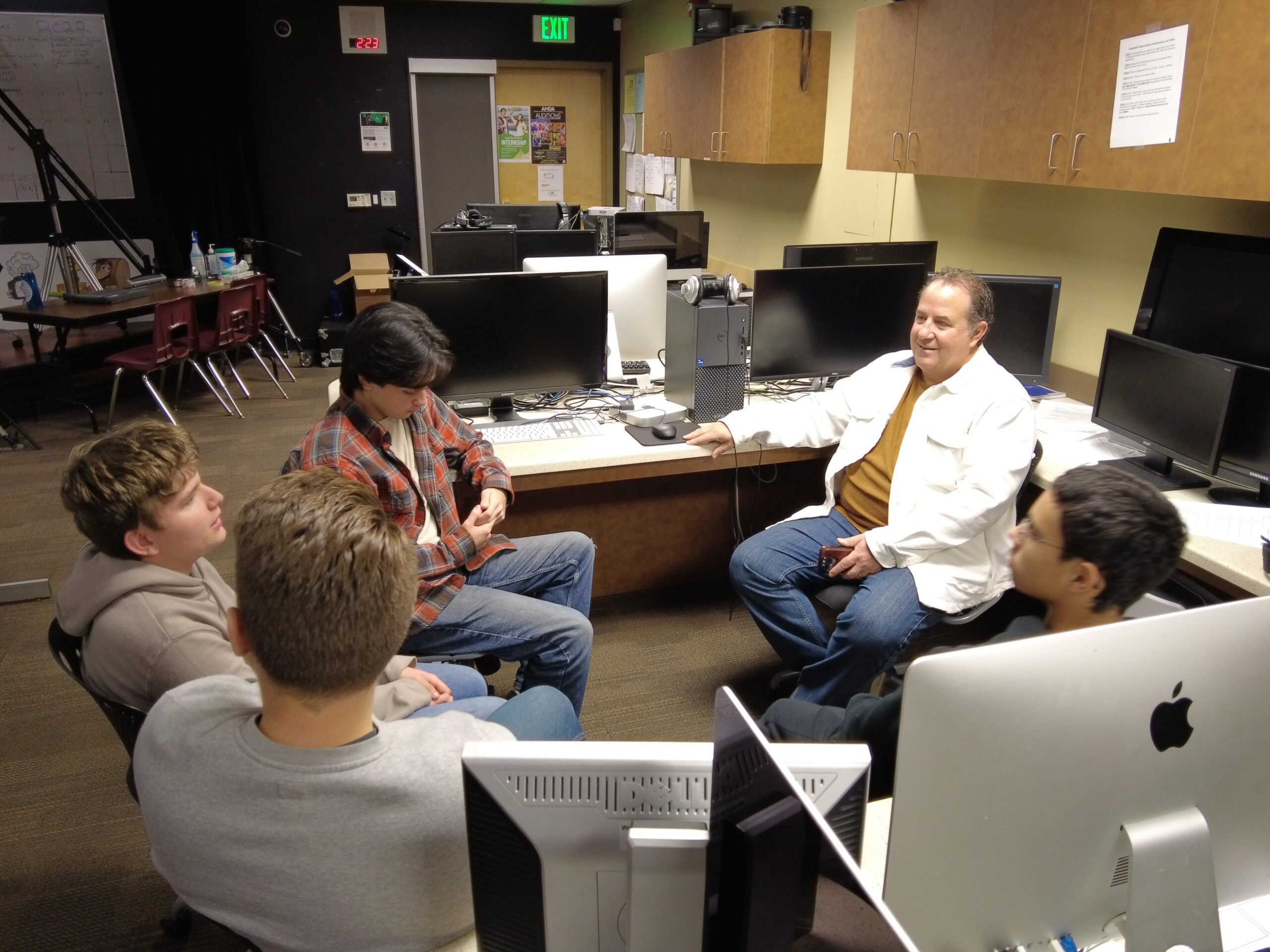
“This will be our last meeting,” said Eric Link, the disappointment palpable in his voice. As the year was drawing to a close, we learned that the Wenatchee School District is planning to pull the plug on the Digital Media Arts program where Link has been teaching for more than a decade.
Typically, I’m not one to complain about one less meeting, but in this instance a complaint is warranted. Come along as we learn how a perfectly good arts program gets strangled out of existence by an internal money grab.
Developing skills locally
As the owner of Howell at the Moon Productions, I’ve spent years serving on an advisory board for the Wenatchee Valley Technical Skills Center and their Digital Media Arts (DMA) program, and over these more recent years, I’ve witnessed its orchestrated decline.
I’m partial to the DMA program because it’s the only place in the Valley where they teach high school students how to do the things I need them to know how to do – things like how to operate cameras, compose shots, process footage, write scripts, edit stories; how to think and solve problems like a filmmaker.
The Digital Media Arts program provided workforce development that was actually working for many of the small, independent production companies that serve our region. Many of the local hires I’ve made over the years were young people who came through that very program. I’ve been able to take current students out on local shoots on numerous occasions – providing them with real-world, professional experience.
You might spot these kids out filming at Wenatchee Wild hockey games, live-streaming for the Wenatchee Bighorns or the Wenatchee Valley Symphony, interviewing local icons for Elderspeak, or providing production services to countless other small companies or non-profit programs without access to large production budgets, as they build the creative skillsets that could actually translate into real jobs later.
But then the fiscal noose began to tighten.
The money grab
In simple terms, schools receive funding based on how many students come to school. There’s a complicated formula, but essentially one student amounts to one Student FTE, or Full-Time Equivalent. It changes from year to year and district to district, but around here that can be as high as $10,000 per kid.
Here’s where that becomes a problem for a technical skills center. If I’m a high school and I ship a student off campus to some outside program, their FTE (or at least a fraction of it) goes with them. So, for the sake of argument, if I send 30 kids off to an outside program – that’s $300,000 no longer coming into my school coffers.
But there’s a workaround. I can simply say, “Hey, I’m going to start own Digital Media Arts program in-house,” and then I get to keep the kids, along with their FTE dollars, right here.
And that’s exactly what started to happen. The high schools became less amenable to presentations by the Skills Center instructors. Poorly equipped media classes led by inexperienced instructors (some of whom called me personally to ask for pointers along the way) began to pop up. And the DMA program at the Skills Center which used to fill up easily at 30 or more students every session was slowly but surely starved of students, dwindling ultimately to as few as 6 per session – a number which makes it pretty easy to pull the plug on a program.
Workforce deterioration
The problem is the move to in-house classes is virtually guaranteed to be a downgrade in the education available to our students. The Skills Center has a variety of advantages over our other local schools. Their program runs on a block schedule, for example, meaning the students get several hours in class at a time versus the 40-45 minute periods in a traditional high school setting. It’s exceedingly difficult to do much real work in terms of production in so little time.
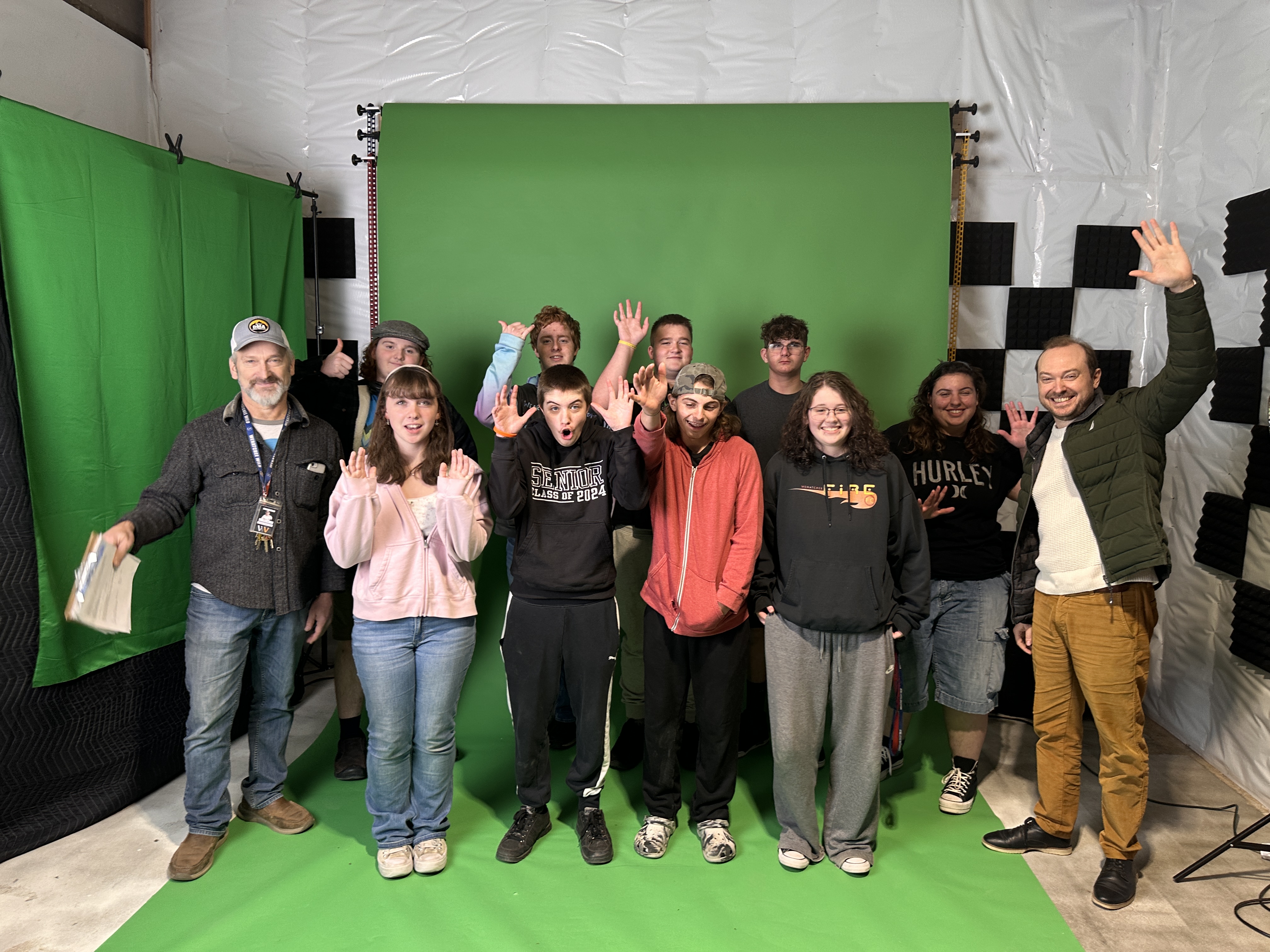
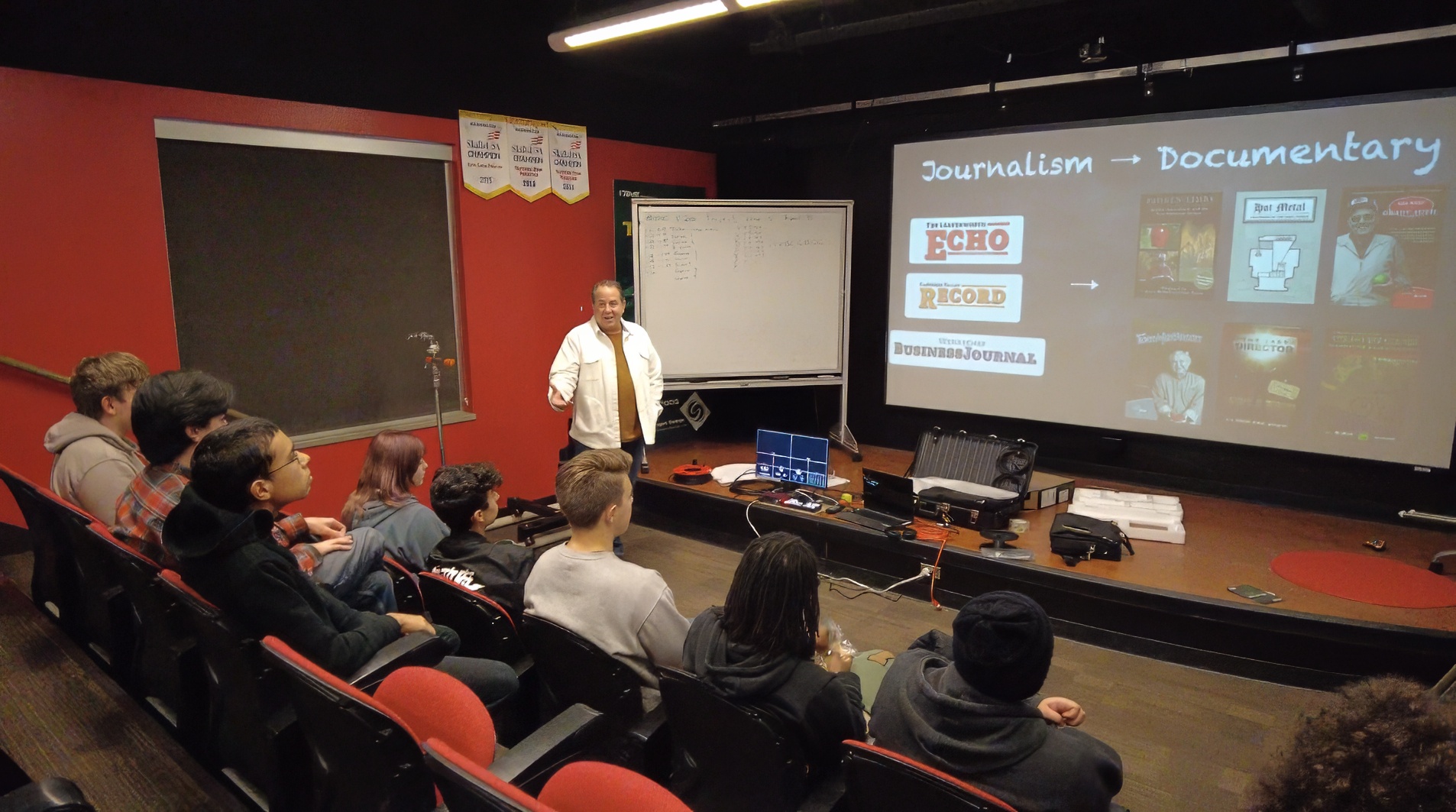
The Skills Center also provides a well-equipped, purpose-built facility conceived by our very own Charley Voorhis – one of the top videographers in our region – complete with editing bays, a green screen studio, sound booth, a variety of cameras, audio gear, a screening room – all the stuff you really need to do the work.
Replicating that learning environment in any of our high schools, especially in a time when they continue to face repeated and massive funding deficits, seems incredibly unlikely. And, as a result, so does the prospect of a company like mine ever being able to hire a student straight out of a local school ever again.
Arts on the chopping block
The decision to shut down the Digital Media Arts Program and idle that custom facility should be reconsidered.
The money is there. The students are there. Yet we persist in this ill-advised shell game with the available dollars at the expense of our children and their prospects for the future.
I understand this is but one program among hundreds that probably deserve saving. But the Arts are too often the canary in the coal mine. Budgets get tight, out go the Arts. The Skills Centers’ automotive, construction and culinary programs (also prohibitively expensive to replicate in high school settings) are safe for now, but if I were you, culinary ARTS, I’d be extremely weary of what the future may hold.
You know what it would take to fix this? Creativity. Exactly the thing we’re teaching less and less of in our schools.